

Care & Maintenance Manual
TF Stairs Hardwood Treads, Landings & Stair Components
TF Stairs products are manufactured from natural hardwood and premium architectural materials. Proper care and stable environmental conditions are important to preserve the appearance, stability, and performance of your staircase.
The following guidelines apply to hardwood stair treads, landings, risers, handrails, and other wood components supplied by TF Stairs / Tom Fiello, LLC.
1. Maintain a Stable Indoor Environment
Natural wood expands and contracts as temperature and humidity change. Some seasonal movement is normal.
For best performance:
- Maintain a consistent, climate-controlled indoor environment.
- Avoid extreme or rapid changes in temperature or humidity.
- Keep HVAC systems operating normally throughout the year.
- Do not expose interior wood components to excessive moisture, prolonged high humidity, or excessively dry conditions.
- Address plumbing leaks, roof leaks, condensation, or other sources of moisture immediately.
Seasonal expansion, contraction, small gaps, minor checking, and other natural movement can occur as environmental conditions change.
2. Routine Cleaning
For regular cleaning:
- Remove dust and loose debris with a soft microfiber cloth, dust mop, or vacuum with a hardwood-safe attachment.
- Clean spills promptly.
- Use a lightly damp cloth when necessary and dry the surface afterward.
- When using a cleaning product, choose one specifically intended for the finish applied to your wood.
- Test unfamiliar cleaning products in an inconspicuous area first.
Never saturate hardwood stair components with water.
3. Products to Avoid
Unless specifically approved for the finish on your staircase, avoid:
- Steam cleaners
- Abrasive cleaners or scrubbing pads
- Bleach
- Ammonia
- Harsh solvents
- Silicone-based polishes
- Excessive wax or oil
- Strong household degreasers
- Excessive amounts of water
Improper cleaning products can discolor, soften, cloud, or otherwise damage the wood finish.
4. Spills & Moisture
Water and other liquids should be removed as quickly as possible.
Do not allow liquids to remain around:
- Wood joints
- Tread seams
- Fastener locations
- Glass mounting points
- Metal-to-wood connections
- LED channels
- Edges or unfinished areas
Standing moisture can cause staining, swelling, checking, joint separation, finish damage, or other dimensional changes.
5. Protecting Stair Treads
Hardwood stair treads are designed for normal residential or applicable commercial foot traffic, but the finished surface can still be scratched or damaged.
Avoid:
- Dragging furniture or equipment across treads.
- Walking on stairs with sharp objects embedded in shoes.
- Dropping tools or heavy objects onto the staircase.
- Applying adhesive tape directly to finished wood.
- Using construction materials as temporary stair protection without verifying that they are compatible with the finish.
During construction or remodeling, protect the staircase with a breathable, non-staining protective material that will not trap moisture against the wood.
6. Rugs & Stair Runners
If rugs or runners are used:
- Use products designed for hardwood surfaces.
- Make sure backing materials will not react with or discolor the finish.
- Avoid rubber, vinyl, or other non-breathable backing unless specifically approved for the finish.
- Periodically inspect the wood beneath rugs or runners for trapped moisture or discoloration.
7. Finished & Stained Wood
The finish protects the wood but is not indestructible.
Normal wear will occur over time, particularly on high-traffic areas and tread nosings.
Do not attempt to sand, stain, refinish, or apply another coating without first determining what finish is currently on the staircase. Incompatible products can cause adhesion problems, discoloration, or permanent finish damage.
For substantial wear or damage, professional refinishing is recommended.
8. Natural Characteristics of Hardwood
Every piece of natural wood is different. Variations can include:
- Grain patterns
- Color and tone
- Mineral streaks
- Natural figuring
- Knots consistent with the selected wood grade
- Changes in color caused by age and exposure to light
These characteristics are part of natural hardwood and are not necessarily defects.
Some wood species naturally darken, lighten, or change tone over time.
9. Glass Railings
For glass components:
- Clean with a soft microfiber cloth and appropriate glass cleaner.
- Avoid abrasive pads or cleaners.
- Do not strike glass edges with hard objects.
- Do not hang heavy objects from glass panels or railing components.
- Periodically inspect mounting hardware for unusual movement.
If a glass panel becomes chipped, cracked, loose, or damaged, discontinue use of the affected area when appropriate and contact a qualified professional for inspection.
10. Steel & Metal Components
Powder-coated steel stringers and railing components should generally be cleaned with a soft damp cloth and mild soap.
Avoid abrasive cleaners, steel wool, aggressive chemicals, or tools that could damage the coating.
Scratches or chips that expose bare steel should be addressed promptly, particularly in humid, coastal, or exterior environments.
11. Cable, Rod & Stainless-Steel Components
Clean stainless-steel components periodically with a non-abrasive stainless-steel cleaner.
Coastal environments require more frequent cleaning because airborne salt can accumulate on metal surfaces.
Cable or rod railing systems should be periodically inspected for:
- Loose hardware
- Reduced cable tension
- Movement
- Corrosion
- Damaged fittings
Adjustments should be performed by a qualified installer when necessary.
12. LED Lighting
For stair systems containing integrated LED lighting:
- Do not saturate LED channels or electrical components with cleaning products or water.
- Do not cover power supplies or access locations permanently.
- Maintain access to drivers, transformers, controllers, and serviceable electrical components.
- Electrical troubleshooting or replacement should be performed by a qualified person.
LED strips, drivers, sensors, and other electrical components are serviceable items and may have different warranty periods than the staircase itself.
13. Periodic Inspection
We recommend periodically inspecting the staircase for unusual changes, including:
- Loose treads
- Excessive wood movement
- Cracks or separation
- Loose railing components
- Loose glass hardware
- Cable tension changes
- Water damage
- Finish deterioration
- Unusual movement or noise
Minor maintenance performed early can help prevent a small issue from becoming a larger repair.
14. When to Contact TF Stairs
Contact TF Stairs if you notice an issue that appears to involve the material or manufacturing of a component.
When reporting an issue, provide photographs, project information, a description of the condition, and any available information regarding environmental conditions or moisture exposure.
Do not remove, alter, repair, refinish, or dispose of a component that may be subject to a warranty claim before giving TF Stairs a reasonable opportunity to evaluate it.

Founding Vision
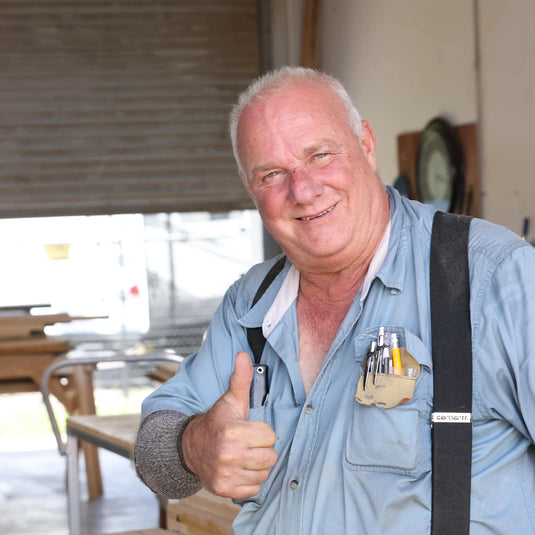
Tom Fiello's story is one of entrepreneurial spirit and passion for woodworking. Originally a successful realtor, Tom relocated to Florida in the early 2000s. His love for woodworking began as a hobby, crafting custom cabinetry, and furniture. Over the years, his commitment to excellence transformed his passion into a thriving business specializing in crafting unique floating stair treads.
National Expansion
In a strategic move, Tom Fiello partnered with Gary Vela, Founder of Web Daytona, LLC - a renowned turn-key marketing agency. This collaboration enabled Tom Fiello, LLC to expand its operations nationwide, offering its exceptional custom stair parts to a broader audience.
Diverse Clientele
Tom Fiello, LLC serves a diverse range of clients, including custom home builders, developers, general contractors, designers, architects, and homeowners. Our commitment to delivering high-quality, tailor-made stair parts has earned us a reputation as a trusted partner in the construction and design industries.
At Tom Fiello, LLC - Floating Stairs and Millwork, we take pride in our craftsmanship and attention to detail. With a foundation built on passion and a commitment to excellence, we look forward to continuing our journey as a leading provider of custom stair solutions for both residential and commercial projects nationwide.


